
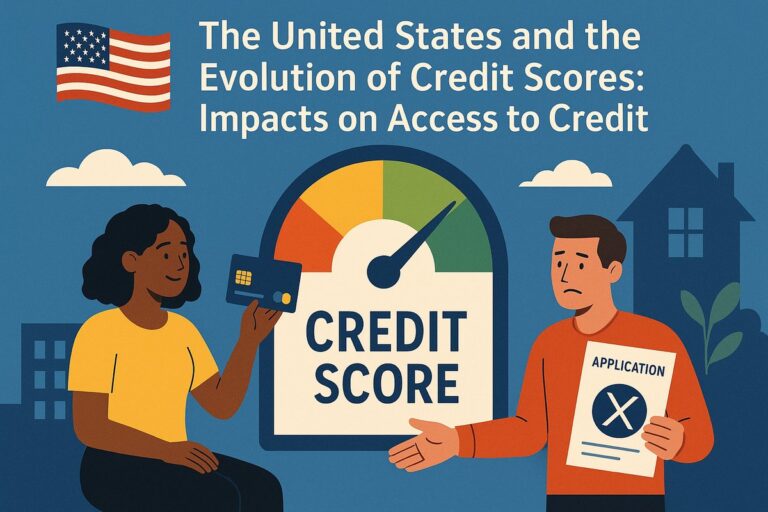
When talking about financial history in America, the credit card has played a pivotal role. Emerging as a novel way of purchasing in the mid-20th century, it revolutionized consumer behavior. But along with its rise came a new tool for assessing financial trustworthiness: credit scores.
These numerical representations of financial reliability have drastically changed how citizens gain access to financial tools, evolving in complexity and influence over time. Understanding their origins and implications offers insight into the broader economic landscape and personal finance management.
How credit scores have evolved in the US
The introduction of the credit card marked a shift in the economic ecosystem, necessitating a mechanism to gauge consumer trust. Initially, creditworthiness assessments were manual, relying on personal relationships and subjective factors. Over the years, as credit became more widespread, credit scores were developed to create a standardized, objective measure. These scores, derived from borrowing and repayment histories, aimed to simplify and streamline the credit application process.
The transformation of credit scores from rudimentary evaluations to complex algorithms reflects broader technological advancements and societal shifts. What began as a straightforward tally of one’s ability to repay loans has grown into a multifaceted system that evaluates diverse financial behaviors.
Impact on individual access to financial resources
The implications of these evolving credit assessments are far-reaching. On one hand, they empower individuals to take control of their financial destinies by monitoring their scores and understanding the factors influencing them. Consumers can now actively seek improvement through strategic financial behaviors, like timely bill payments and maintaining low debt levels. This transparency fosters responsibility and allows for informed financial planning.
Conversely, the reliance on these numbers can also create barriers. Those with low or no scores may find themselves locked out of essential services or paying higher interest rates, reinforcing economic disparities. The evolving criteria can sometimes perpetuate existing inequalities, highlighting the need for fair scoring systems that account for diverse financial journeys and challenges faced by different socioeconomic groups.
Confronting the challenges and embracing change
Navigating the world of credit today involves understanding these scores and their impact not only on financial access but also on one’s broader economic opportunities. As credit scores continue to evolve, it’s essential for regulators and financial institutions to prioritize fairness and equal access in the system. Consumers should remain proactive, educating themselves about score influences and seeking guidance when necessary.
In conclusion, the path of credit scores in the United States illustrates a curious blend of innovation and complication, where opportunities and obstacles intertwine. Embracing its nuances allows for a more informed and equitable financial future for all.
👉 Also read: Credit Cards in the United States: How Digital Habits Shape Choices